


AEO vs. GEO is one of the most confusing distinctions in 2026 search, and adding SEO makes it harder still. Canadian brands need all three to win visibility in AI answers, not one instead of another. This guide defines each discipline in plain language, shows how they differ and overlap, and explains where to start so your business gets found across every surface.
Search visibility used to mean one thing: ranking on Google. In 2026 it runs on three tracks at once. Traditional results still send clicks, AI answer engines cite sources inside synthesized responses, and generative assistants recommend specific brands by name. Each track rewards different signals and is measured differently. A business strong on one can be invisible on the others. Understanding the three tracks is the foundation of AI search visibility for Canadian businesses across every surface.
SEO is the practice of optimizing content and technical structure so a site ranks in traditional search results. It remains the foundation, because the same signals it builds, crawlable architecture, quality content, and earned authority, are the inputs AI systems draw on when selecting and recommending sources. A site with weak SEO fundamentals rarely performs in AI search either. For Canadian businesses, strong SEO is not the old layer being replaced; it is the base the newer layers stand on.
Answer engine optimization is the citation layer. It structures content so AI answer engines, including Google AI Overviews, ChatGPT, and Perplexity, extract and cite it when resolving a query. AEO rewards direct opening answers, question-and-answer formatting, schema markup, and clear entity signals. Success is measured by how often a brand is named or cited inside AI answers, not by ranking position. It is the difference between existing in the index and being quoted in the response users actually read.
Generative engine optimization is the recommendation layer. Where answer engine optimization aims to be cited, GEO aims to be the brand a generative assistant recommends when a user asks for a solution. It depends on consistent entity data, credible third-party validation, and a strong reputation the model has absorbed from across the web. The contrast at the heart of generative engine optimization vs. answer engine optimization is being recommended by name versus being quoted as a source; Canadian brands need both.
Placed side by side, the three disciplines target different moments. SEO wins the ranked link, AEO wins the citation inside the answer, and GEO wins the recommendation when an assistant names a solution. SEO is measured by rankings and traffic, AEO by citation frequency, and GEO by recommendation share. The formats overlap heavily: clear structure, schema, and authority serve all three. Framing this as AEO vs. SEO vs. GEO is less about choosing one and more about sequencing them.
For most Canadian SMBs, SEO comes first, because it builds the crawlable, authoritative base the other layers rely on. With fundamentals in place, AEO is the natural next step, since citation-ready structure is a modest addition to sound content. GEO follows, as recommendation depends on the entity and reputation signals the first two layers establish. Prioritizing in this order avoids wasted effort. A business chasing recommendation before it can be crawled or cited is building the roof before the walls.
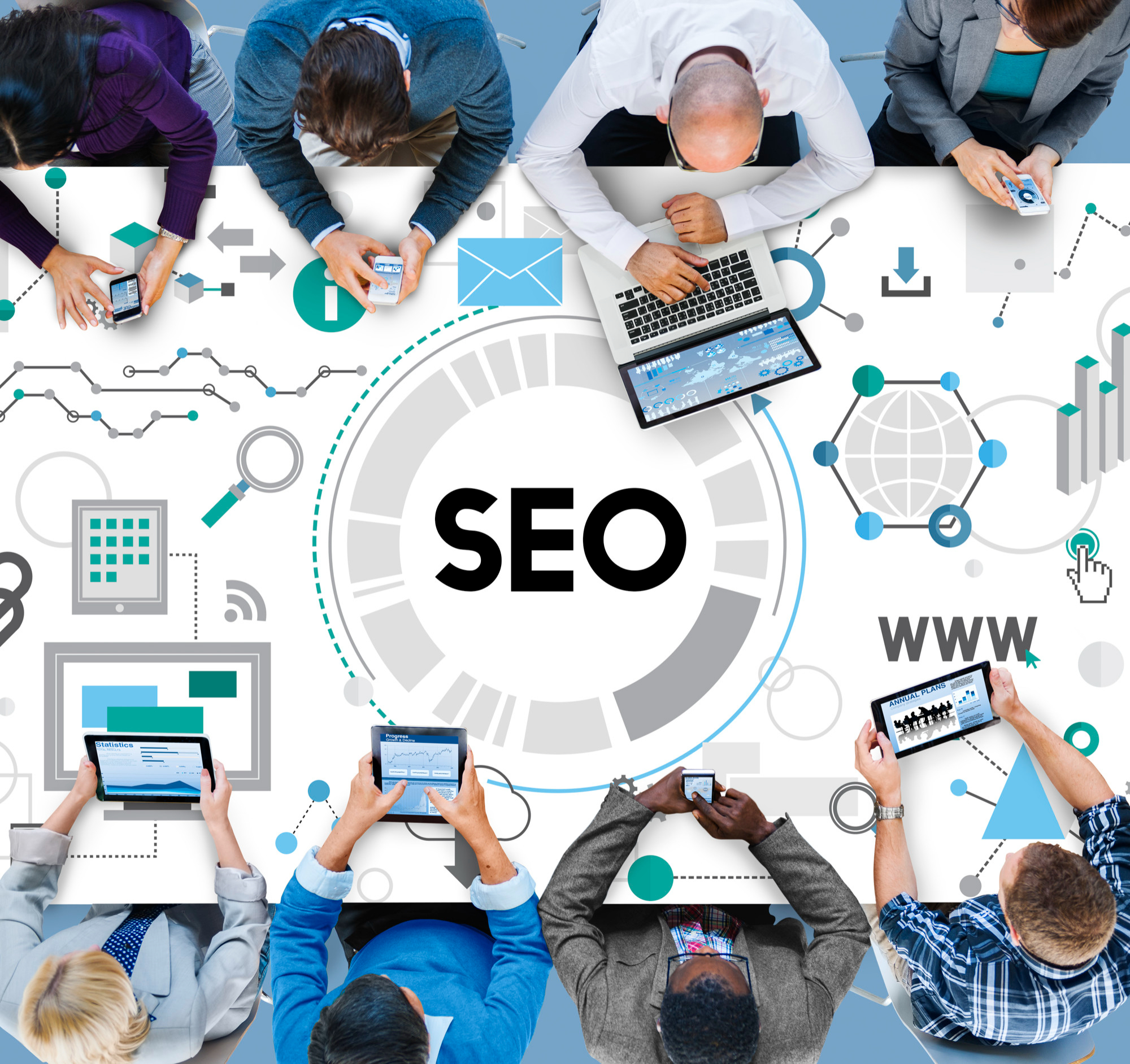
The three are one system, not three campaigns. A single well-structured page can rank in Google, get extracted into an AI Overview, and inform how an assistant describes your brand. Schema markup serves crawlers and answer engines alike. Earned authority raises rankings and makes citation and recommendation more likely. Treating your SEO and AEO strategy as one system means every piece of content is built once to perform across all three surfaces, far more efficient than optimizing each separately.
Growth Hacker is a Montreal agency led by founder Khalil El-Khoury, who holds an HEC Montréal MBA and an engineering degree from Concordia University. It integrates SEO, CRO, and web development with a dedicated GEO services offering, reflecting a joined-up approach to modern search rather than treating each layer as a separate product. Working primarily with Shopify and Webflow and serving bilingual EN and FR Canadian businesses, the agency helps brands build one foundation that performs across traditional and AI-driven search.
Start with a technical and content audit that confirms the site is crawlable, fast, and well structured. Next, restructure priority pages for extractability: direct opening answers, question-based headings, and FAQ schema. Then build entity consistency, matching name, service, and location data across the web, and earn credible third-party mentions. Finally, set up measurement across all three surfaces before scaling content. This sequence turns a broad, intimidating shift into a concrete order of operations any Canadian SMB can follow.
Traditional SEO metrics, rankings, organic traffic, and conversions, still anchor measurement. For AEO, track Share of Answer, how often your brand is cited across tracked queries, and isolate AI referral traffic as its own segment. For GEO, run structured prompt tests, asking assistants for recommendations in your category and recording whether you are named. Google Search Console adds AI Overview data. Combining automated tracking with regular manual prompt testing gives Canadian businesses a realistic view of visibility across every surface.
The biggest mistake is framing it as a choice at all, chasing one layer while neglecting the base the others depend on. Another is skipping SEO fundamentals and expecting AI recommendation to arrive on its own. Bilingual businesses often translate English pages instead of building native French content, forfeiting French-market AI visibility. Some invest heavily in content while ignoring entity consistency and third-party validation. Treating the three as sequential layers of one strategy avoids each of these costly detours.
The AEO vs. GEO vs. SEO question is not about picking a winner. SEO builds the foundation, AEO earns the citation, and GEO earns the recommendation, and Canadian brands that win visibility in AI answers treat all three as layers of a single strategy. Build a crawlable, authoritative base, structure content for extraction, and establish the entity signals that make recommendation possible. The businesses sequencing these layers now, rather than choosing between them, will hold visibility as AI search keeps expanding.
Answer engine optimization aims to have your content cited as a source inside an AI-generated answer, such as a Google AI Overview or a Perplexity response. Generative engine optimization aims to have your brand recommended by name when a user asks an assistant for a solution in your category. AEO is about being quoted; GEO is about being recommended. They rely on overlapping signals, structure, schema, and authority, but they target different moments in how AI surfaces resolve a query.
Yes. SEO is more foundational than ever, because AI answer and recommendation engines draw on the same signals SEO builds: crawlable architecture, quality content, and earned authority. A site that ranks poorly and lacks authority rarely gets cited or recommended by AI systems either. Rather than replacing SEO, AI search raises the return on doing it well. For Canadian businesses, strong SEO fundamentals are the prerequisite that makes both answer and generative engine optimization achievable in the first place.
In practice, no. Generative engine optimization depends on the entity consistency, content quality, and third-party authority that solid SEO establishes. Assistants recommend brands they can identify and verify across the web, and those signals are built through the same work SEO involves. Attempting GEO on a weak foundation usually produces little, because the model has no credible, consistent picture of the brand to draw on. Building SEO and AEO first gives GEO the raw material it needs to succeed.
AEO results can appear relatively quickly once content is restructured for extraction and schema is in place, since answer engines recrawl and update citations on an ongoing basis. GEO usually takes longer, because recommendation depends on reputation and entity signals accumulating across the web, which builds gradually. Both benefit from consistent effort rather than one-time changes. Canadian businesses generally see citation movement before recommendation movement, which is another reason to sequence AEO ahead of a dedicated GEO push.
For both, clear and extractable structure wins: direct opening answers, question-based headings, FAQ blocks, step-by-step guides, and comparison formats, all supported by schema markup. AEO rewards content an engine can quote cleanly, while GEO additionally rewards consistent entity data and credible third-party validation that shape how a brand is described. The practical takeaway for Canadian businesses is to build each page once, structured for extraction and backed by authority, so it performs across answer engines and generative assistants alike.
Yes. AI engines process English and French queries separately and reward content written natively in each language rather than translated. A bilingual Canadian business should maintain distinct English and French pages, each structured for extraction with its own schema and entity signals, rather than relying on one translated version. This applies to both answer and generative engine optimization. Businesses that build authentic citation-ready content in both languages gain visibility in two markets that most single-language competitors never reach.


GET STARTED!
Our SEO agency is dedicated to providing top-notch SEO services, local SEO services, SEO consultation, and SEO improvement. With our comprehensive approach, we ensure your business thrives in the digital landscape. Let us help you achieve your SEO marketing goals with our customized solutions.

.svg)
.svg)
.png)
.png)



.svg)
.svg)