


Expanding from one city to several is a game-changer for building your brand, reaching more customers, and standing out in local search. But it’s not as simple as copying what worked the first time. Every city is its own digital world, and search engines notice the differences. You need a solid, repeatable plan built on SEO for multiple locations if you want to win in more than one place.
In this guide, you’ll learn how to make your SEO strategy for multiple locations work across different regions, handle local SEO for multiple locations in one city, and set up systems that support long-term expansion. We’ll also break down how to scale local SEO across regions without losing consistency or quality.
SEO isn’t a copy-paste deal. What gets results in one city probably falls flat in another, especially if you're navigating the complexity of Local SEO for multiple locations in a town. Search engines look at different competitors, spot different search patterns, and care a lot about how close you are to the person searching. So, just repeating the same old tactics everywhere? Doesn’t cut it.
A lot of brands trip up when they try to scale. They recycle duplicate content across markets, mix up their contact info, or just slap the same strategy on every new location, which weakens their broader SEO for multiple locations. If you want to grow and actually win in each city, you need to rebuild your SEO game so every location stands out as trustworthy, accurate, and genuinely connected to its community.
Every city plays by its own rules when it comes to competition, and that shapes where you can land in the rankings as part of your overall SEO expansion plan for multiple locations. What works in a quiet town just won’t cut it in a big, crowded metro. In some places, you’re up against heavy hitters—think brands with tons of reviews and polished Google Business Profiles. Other cities? Not so much. Sometimes the competition’s pretty thin. That’s why you’ve got to size up each market on its own. Check out who’s showing up in the results, how many reviews they’re pulling in, how active they are, and which keywords they’re chasing. That’s how you build a strategy that actually fits the city you’re targeting and gives you a real shot at the top while supporting how to scale local SEO across regional initiatives.
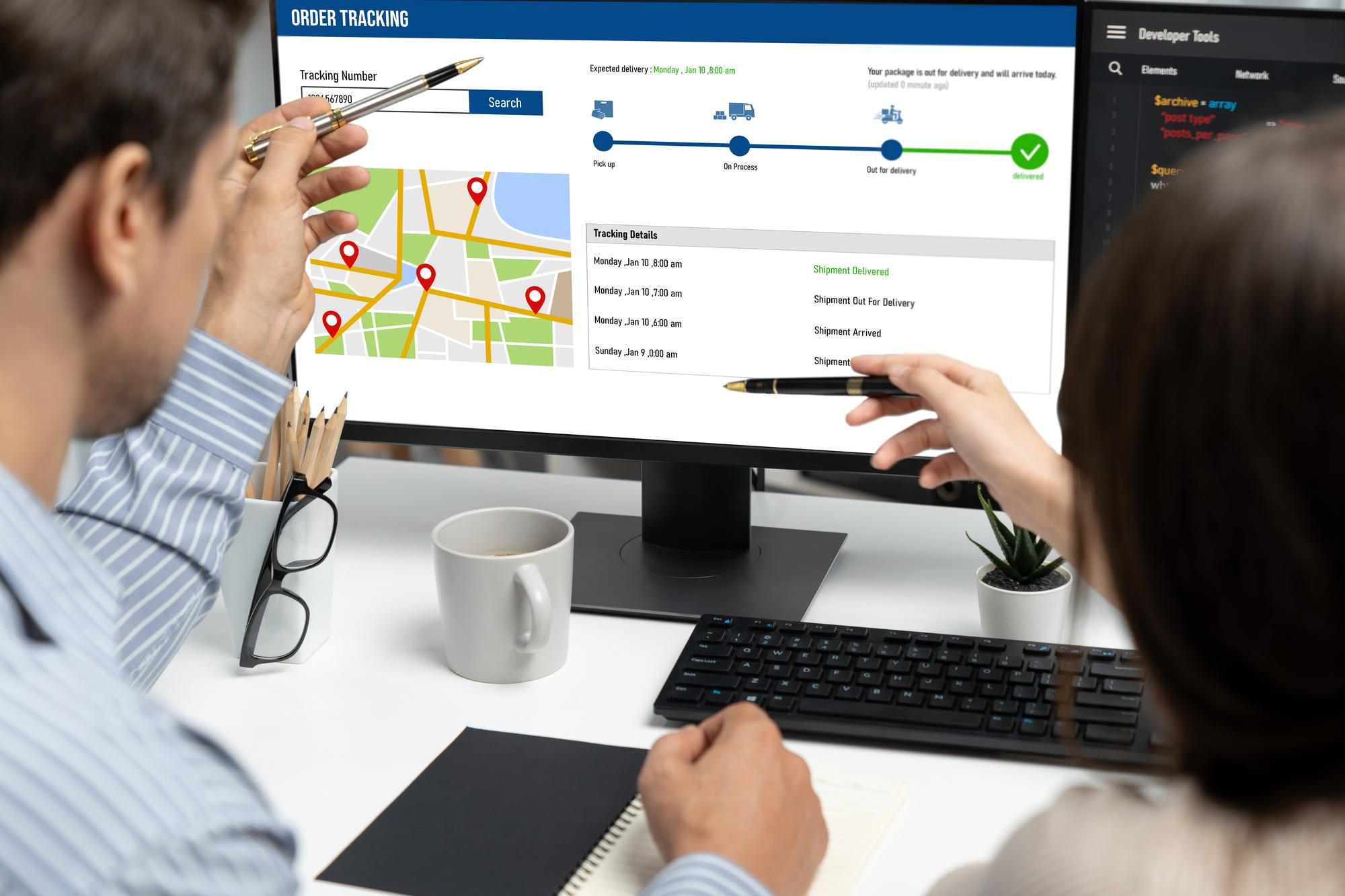
Search engines expect to see your details—addresses, phone numbers, hours, services—lined up perfectly everywhere. Keep all that in one solid, internal source. Don’t let your info drift.
Don’t just swap out the city name; fill each page with content that makes sense for that area. Use local keywords, add details that matter to people there, and make these pages the backbone of your multi-location SEO strategy as part of better Local SEO for multiple locations in one city structure.
Every location needs its own verified profile with the correct name, address, phone number, fresh photos, up-to-date hours, and the best-fit categories. This is what pushes you up in local searches and on the map, helping you strengthen your overall SEO for multiple locations.
Good content connects your brand to the people right in your backyard. It’s more than just filling up pages — unique local content keeps your site from blending in with everyone else and helps support how to scale local SEO across regions over time.
Talk about the city. Mention the park down the street, the local coffee shop, or your team members who grew up nearby. Don’t forget to call out how your services change by area. These details matter — they show both people and search engines that you really know the neighborhood, which enhances your SEO strategy for multiple locations.
Search engines pick up on neighborhood names, street corners, slang, and references that only locals use. If you’re covering several spots in the same city, get specific. Treat each neighborhood like its own little market — because, honestly, that’s how people see it.
Every location needs its own batch of reviews and testimonials. When real people from the area talk about you, it builds trust. It also proves to search engines that you’re the real deal, not just another copy-paste business, which directly strengthens your SEO for a multiple locations approach.
You can’t fake authority. You have to earn it in every region you serve. Make sure your business shows up consistently across all major directories and local websites—partner with other local businesses or community groups to build backlinks. Always ask for reviews, and don’t just let them sit; fix problems when they come up as part of the process of scaling local SEO across regions organically.
Your technical foundation must support scalable expansion
City-based and service-based URLs help search engines understand geographic relevance and complement your SEO strategy for multiple locations.
Structured data clarifies location details such as address, reviews, hours, and coordinates.
Strategically interconnect your location pages to distribute domain authority and help search engines discover all regional pages, supporting your broader efforts to scale local SEO across regions.
Local users depend heavily on mobile searches. Fast, responsive design is crucial for ranking and conversions.
A regional scaling strategy requires combining automation, processes, and market-specific optimization while developing your SEO strategy for multiple locations.
Effective multi-location scaling includes:
These elements allow you to expand rapidly without losing quality or consistency.

Growth Hacker specializes in building systems that help brands expand quickly and efficiently. Our approach integrates local relevance, technical scalability, and structured optimization so every new city becomes a high-performing asset. We assess your current SEO architecture, identify weaknesses in consistency or targeting, and build a framework that supports nationwide growth.
Our methodology blends automation, strategic content development, and regional analysis to ensure your brand gains authority in every local market you enter as part of a reliable SEO strategy for multiple locations. This allows your business to expand with confidence, knowing each new city is supported by a strong foundation that enhances visibility, rankings, and conversions, while improving local SEO for multiple locations in one town and helping scale local SEO across regions.
Scaling local SEO across regions requires more than adding new pages or updating business listings. It demands an intentional framework that supports consistency, authority, and localized relevance at every level. Brands that master SEO for multiple locations gain a competitive edge, ranking stronger in maps, organic results, and hyperlocal searches. With the right systems in place, multi-location SEO becomes scalable, repeatable, and predictable — turning each new location into a consistent source of leads and revenue while aligning with an effective SEO strategy for multiple locations.
Unique content really makes a difference because search engines treat every location page as its own thing, especially when you're working on improving local SEO for multiple locations in one city. They look for little details—changes in wording, local references, and what’s actually relevant—instead of just lumping all your pages together. If you use the exact text everywhere, Google can’t tell which spot should show up in local searches, and you end up with pages that don’t get seen. Plus, when you mention local landmarks or the specific ways your service is different in each area, people trust you more. It shows you’re not just copying and pasting, and it gives every page a real shot at ranking in its own neighborhood.
If you want several locations to show up in search inside one city, you have to go really local. Forget just targeting the city name everywhere—focus on individual neighborhoods. Most people search for what’s closest to them, not just what’s in the city, so you need pages that talk about those specific districts or communities. Also, make sure each location’s Google Business Profile is dialed in with the right keywords and info, and try to get links from other local businesses or groups. When every area has its own “local flavor,” your brand shows up all over the map, not just once, helping reinforce your overall SEO strategy for multiple locations.
Keeping your NAP (name, address, phone number) 100% consistent is the most challenging part, as accuracy is essential for brands focused on scaling local SEO across regions. Google leans hard on having the same info everywhere, and even a tiny mismatch between your website, listings, or citations can mess things up. If your details aren’t lined up, Google doesn’t always realize those listings belong to you, and your rankings drop, or you get duplicate problems. So, double-check those addresses and phone numbers everywhere—they’re the backbone of making multi-location SEO actually work. Consistency helps search engines build trust in your brand, reinforcing reliability across every market you serve. The more accurate your NAP data is, the easier it becomes for Google to connect your physical locations with the correct digital presence.
Absolutely. Every location needs to build its own set of backlinks because Google assesses authority at the page level, not just the domain as a whole, which is a key element of maintaining an effective SEO strategy across multiple locations. Sure, your leading site helps, but what really matters is whether the specific location page has real connections—like links from local blogs, news sites, or nearby organizations. These local links tell search engines that your location actually matters in that community. They make your page look trustworthy and help you beat out competitors in your area. If you skip this, your locations end up fighting an uphill battle for visibility. Strong local backlinks also reinforce relevance signals that directly influence how well each location performs in competitive regional searches.
You’ll usually start seeing real movement somewhere between two and four months, but it depends on how tough the competition is, how well-known your brand is, and how strong your pages are. New locations can take a bit longer because Google has to verify they’re legit and relevant. If you keep your Google Business Profiles updated, get good reviews, and build solid local links, things move faster. And the good news is that once your brand has some authority, every new location you add tends to rank more quickly because you’ve already laid the groundwork. Over time, this momentum compounds, making each additional expansion smoother and increasingly successful, especially when aligned with strong SEO for multiple-location practices.


GET STARTED!
Our SEO agency is dedicated to providing top-notch SEO services, local SEO services, SEO consultation, and SEO improvement. With our comprehensive approach, we ensure your business thrives in the digital landscape. Let us help you achieve your SEO marketing goals with our customized solutions.

.svg)
.svg)

.png)
.png)



.svg)
.svg)